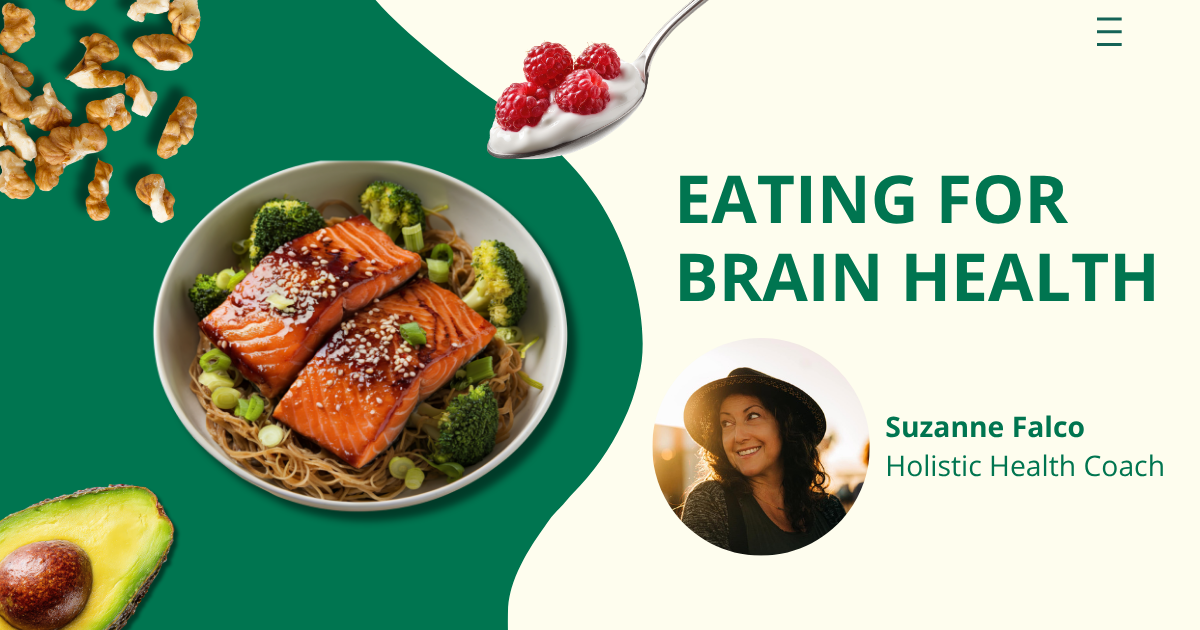
June is Alzheimer’s and Brain Awareness Month, and it’s the perfect time to talk about something we can all do, starting today, to help our brains: eating well. Science backs this up… small, everyday habits like nutrition, movement, sleep, and mental stimulation can make a real difference in our risk for cognitive decline. And here’s the good news: it’s never too early, or too late, to start.
Nutrition has always been my passion, so that’s where I want to focus today.
Fat: The Brain’s Most Misunderstood Nutrient
Fat has gotten a bad rap for decades — blamed for high cholesterol, heart disease, you name it. But the truth about fat and our bodies is way more nuanced than that old story. Here’s a fun fact: our brains are about 60% fat. So I guess you could say humans really are “fat heads,” and you wouldn’t be wrong! The right fats give our brains the building blocks they need to keep cell membranes healthy, help produce important neurotransmitters, and fight inflammation, which can help lower the risk of Alzheimer’s and cognitive decline.
So what should be on your plate?
- Extra virgin olive oil
- Grass-fed butter (skip the heavily processed margarines)
- Fatty fish like wild salmon, trout, sardines, and mackerel
- Avocados
- Walnuts and seeds — pistachios especially have been linked to a boost in “gamma brain waves,” which matter for memory, focus, and attention
- Coconut oil, thanks to its medium-chain fatty acids (MCFAs). Alzheimers researchers are still exploring this, but early signs are promising
On the flip side, try to steer clear of fried foods, processed snacks made with soybean oil or trans fats, fast food, bottled salad dressings, packaged baked goods, and margarine. One easy habit: drizzle a delicious tablespoon of olive oil over your meals (avocado toast, salmon, meatballs, etc) as a healthy fat.
Protein: Fuel for Mood, Memory, and Repair
Protein matters for your brain too. It helps produce the brain chemicals that regulate mood, sleep, alertness, and motivation, and it’s key for cellular repair.
Some of my favorites:
- Fatty fish (protein and healthy fats in one!)
- Eggs — I know, eggs got a bad reputation because of cholesterol worries, but that thinking has really shifted in recent years
- Turkey and chicken — poach them, toss them in soups, sandwiches, or salads
- Greek yogurt, so versatile
- Grass-fed beef, and bison if you want a leaner red meat
- Black beans, lentils, tempeh, and tofu for plant-based protein
Don’t skip the animal protein, though. It contains all nine essential amino acids in the exact ratios our bodies need, which makes it easy for the body to absorb and use, for your brain, your muscles, and your digestion.
Carbohydrates: Choosing Quality Over Quantity
Carbs are where so many people get tripped up, and it’s understandable! There’s a lot of conflicting info out there. Where most people get in trouble is bread quality. Most store-bought breads are completely devoid of fiber and nutrients, nothing like the bread we ate growing up. Always seek out sprouted grains or sourdough when shopping.
Some other quality carbohydates:
- Whole grains like oats, quinoa, rice, and whole wheat — they break down slowly, which helps with brain fog and mood swings
- Sprouted grain bread or true sourdough (again, not the same as most store-bought bread, which is often stripped of fiber and nutrients)
- Beans — carbs and protein in one
- Fruit! An apple, a banana with some nut butter, berries mixed into yogurt with honey and walnuts — so many good options
- Starchy veggies like sweet potatoes, white potatoes, and squash — eat the skins if you can, and pair with a little fat for slow-release energy
- Non-starchy veggies like broccoli, spinach, salad greens, asparagus, carrots, and beets — all packed with brain-healthy antioxidants
The Takeaway
There’s a lot we can do for our brains through food, and here’s the best part: what’s good for your brain is also good for your waistline and just about every other system in your body. Here are a couple of simple and delicious recipes that I hope you enjoy!
3 Brain-Healthy Recipes to Try This Week
These three recipes bring together everything we just talked about. I made sure they’re simple to prepare, easy to chew and digest, and don’t require a ton of fuss, whether you’re cooking for yourself or for a loved one.
Soft Scrambled Eggs & Avocado on Sprouted Toast
Serves 1 (easily doubled) | Ready in 10 minutes
Ingredients:
- 1–2 eggs
- 1/2 avocado
- 1 slice sprouted grain or sourdough bread
- 1 teaspoon olive oil
- Squeeze of lemon juice, salt and pepper to taste
Directions:
- Toast the bread.
- Warm the olive oil in a small pan over low heat and gently scramble the eggs until soft.
- Mash the avocado with the lemon juice and spread it on the toast.
- Top with the scrambled egg.
Soft scrambled eggs and mashed avocado are gentle on the teeth and easy to digest, while still giving you protein, healthy fats, and complex carbs in one dish.
One-Pan Baked Salmon with Sweet Potato & Greens
Serves 2 | Ready in about 35 minutes, mostly hands-off
Ingredients:
- 2 wild-caught salmon fillets (4–5 oz each)
- 1 medium sweet potato, cut into small cubes
- 2 cups spinach or chopped broccoli
- 2 tablespoons olive oil
- 1 lemon
- Fresh or dried parsley and/or thyme, salt and pepper to taste
Directions:
- Preheat the oven to 400°F. Toss the sweet potato cubes with half the olive oil, spread on a baking sheet, and roast for 15 minutes.
- Add the salmon and greens to the same pan. Drizzle with the remaining olive oil and lemon juice, and sprinkle with herbs, salt, and pepper.
- Roast for another 12–15 minutes, until the salmon flakes easily with a fork and the sweet potatoes are tender.
One pan, minimal cleanup, and salmon that flakes apart easily, what’s not to love? You’re getting omega-3s, slow-release carbs, and antioxidant-rich greens all in one go.
Berry Walnut Greek Yogurt Bowl
Serves 1 (easily doubled) | Ready in 5 minutes, no cooking required
Ingredients:
- 1 cup plain Greek yogurt
- 1/2 cup mixed berries, fresh or thawed from frozen
- 1 tablespoon chopped walnuts
- 1 teaspoon honey
- Pinch of cinnamon (optional)
Directions:
- Spoon the yogurt into a bowl.
- Top with the berries, walnuts, honey, and a dash of cinnamon if you like.
A great breakfast or afternoon snack, and one of those things you can prep a few servings of ahead of time so it’s ready when you need it.
I hope you enjoy these tips and recipes as much as I enjoyed putting them together!

Suzanne Falco
Holistic Health Coach